

Clear answers to common questions about oral isotretinoin, from choosing treatment to caring for your skin and planning follow-up.
Understanding the treatment
- 01What Does Accutane Mean When People Talk About Isotretinoin?
- 02Who Should Consider Isotretinoin for Acne?
- 03Does Accutane Keep Acne Away Forever?
- 04What Should You Prepare Before Your First Isotretinoin Appointment?
- 05How Does Isotretinoin Work Differently From an Acne Antibiotic?
- 06How Long Does Accutane Take to Improve Acne?
- 07Is Accutane an Option for Persistent Adult Acne?
- 08Can Isotretinoin Be Considered for Moderate Acne With Scarring?
- 09Isotretinoin for Back and Chest Acne: What Makes Treatment Different?
- 10Isotretinoin vs Oral Antibiotics: When Is It Time to Reconsider the Plan?
- 11Accutane vs Topical Tretinoin: Why These Are Not Interchangeable
Doses, formulations and taking capsules
- 12Do You Need to Take Isotretinoin With Food?
- 13What Determines Your Isotretinoin Starting Dose?
- 14Low-Dose Isotretinoin: What Benefits and Limitations Need Discussion?
- 15What Does Cumulative Isotretinoin Dose Actually Mean?
- 16What Determines When an Isotretinoin Course Ends?
- 17What if You Miss an Accutane Dose?
- 18Why Is Absorica LD Not Interchangeable Milligram for Milligram?
- 19Does Switching Isotretinoin Brands Change How You Take It?
Pregnancy prevention and monitoring
- 20Why Is Pregnancy Prevention Essential With Isotretinoin?
- 21What Does iPLEDGE Do for Isotretinoin Safety?
- 22Which Pregnancy Tests Are Needed During Isotretinoin Treatment?
- 23What Should You Do if Pregnancy Is Possible During Accutane Treatment?
- 24How Long After Isotretinoin Must You Avoid Pregnancy?
- 25Isotretinoin and Contraception: Why the Exact Method Matters
- 26Can You Take Accutane While Breastfeeding?
- 27Why Must You Avoid Blood Donation During Isotretinoin Treatment?
- 28What Blood Tests Are Needed Before Starting Accutane?
- 29Do Healthy Patients Need Every Isotretinoin Blood Test Every Month?
Side effects and medicine interactions
- 30Is an Early Acne Flare on Isotretinoin Always Normal?
- 31Isotretinoin and Mental Health: What the Evidence Can and Cannot Tell You
- 32What Does a Raised Triglyceride Result Mean During Accutane Treatment?
- 33Accutane and Liver Tests: How Clinicians Interpret a Change
- 34Isotretinoin and Alcohol: Why a Personal Risk Review Matters
- 35Why Should You Avoid Vitamin A Supplements on Accutane?
- 36Isotretinoin and Doxycycline: Why the Combination Is Avoided
- 37Dry Eyes on Isotretinoin: When Lubrication Is Not Enough
- 38Accutane and Headaches: Which Symptoms Need Urgent Assessment?
- 39Can Accutane Change Sexual Function?
- 40Isotretinoin and Inflammatory Bowel Disease: How to Read the Evidence
- 41Which Accutane Side Effects Require Stopping and Urgent Advice?
Skin care, scars and life after treatment
- 42Why Do Lips Become So Dry on Accutane?
- 43Can Accutane Remove Existing Acne Scars?
- 44Can Isotretinoin Help Prevent New Acne Scars?
- 45What Makes a Gentle Cleanser Suitable During Isotretinoin Treatment?
- 46How Do You Choose a Moisturizer for Accutane Dryness?
- 47What Sunscreen Features Matter During Isotretinoin Treatment?
- 48Is Every Laser Procedure Unsafe During or After Accutane?
- 49What Does Acne Relapse After Isotretinoin Look Like?
- 50Can Maintenance Treatment Help After Accutane?
More dermatology publications
by: GINA KOLATA
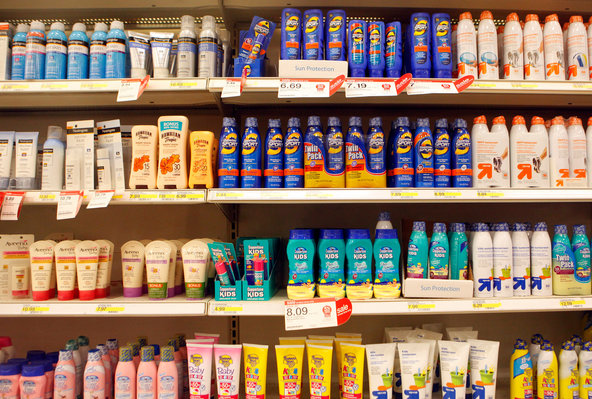
A new study is the first to prove that people who use sunscreen daily can slow the development of wrinkles.
People who diligently use sunscreen every day can slow or even prevent for a time the development of wrinkles and sagging skin, a new study found. Although dermatologists have long told people to use sunscreen to prevent aging, this is the first research to show an actual effect on the appearance of skin, researchers said.
The study involved 900 white people ages 25 to 55 in Australia, where intense sun exposure is a fact of life. Most had fair skin, and nearly all burned in the sun. Most were using sunscreen at least some of the time, and two-thirds wore hats in the sun.
Read More: https://archive.nytimes.com/well.blogs.nytimes.com/2013/06/03/slathering-on-sunscreen-shows-results-researchers-find/
by: Dr. Groesbeck Parham, director of the Cervical Cancer Prevention Program at the Center for Infectious Disease Research in Zambia, responds to a front-page articleRe "Cancer Vaccines Get a Price Cut in Poor Nations" (front page, May 10):
The recent decision to cut the price of vaccines to protect against the most important cancer-causing strains of the human papillomavirus, or HPV, should be applauded, but the ultimate success of the effort depends on more than access.
If this financial agreement is going to be translated into cancers prevented and lives saved, girls and women will need insurance coverage, the full complement of doses and long-term protection after vaccination.
Attaining these goals will require commitments by local governments to put the proper infrastructure in place, in regions where disease burden is greatest. Furthermore, access and infrastructure must be sustainable to avoid truncated benefits.
by: DONALD G. McNEIL Jr.
The two companies that make vaccines against cervical cancer announced Thursday that they would cut their prices to the world's poorest countries below $5 per dose, eventually making it possible for millions of girls to be protected against a major deadly cancer.
Thanks to Pap tests, fatal cervical cancers are almost unknown today in rich countries. But the disease kills an estimated 275,000 women a year in poor countries where Pap tests are impractical and the vaccine is far too expensive for the average woman to afford, so the price cut could lead to a significant advance in women's health.
The offer exemplifies a trend that started a decade ago with AIDS drugs: pharmaceutical companies, under pressure not to ignore the world's poor, provide low prices on their newest products as long as donors guarantee large orders and pay for them.
MORE SUNSCREEN FEWER WRINKLES.pdf
Sunscreen Protection of Melanocytic Nevi: More Than Meets the Eye
Subclinical changes occur in nevi exposed to sunlight; sunscreens and physical barriers protect against some, but not all, UV-related changes.
by: SABRINA TAVERNISE
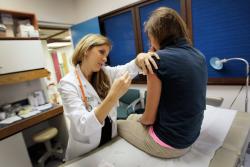 The government recommended years ago that all adolescent girls get a vaccine to protect against cervical cancer. But nearly seven years after it first came to market, an overwhelming majority of girls have yet to be inoculated.
Just 35 percent of girls 13 to 17 have received a full course of the vaccine, which inoculates against the strains of human papillomavirus that can cause cervical cancer, according to 2011 data from the Centers for Disease Control and Prevention. And a study in Pediatrics this month, also based on C.D.C. data, says the intent to vaccinate is declining: 44 percent of parents in 2010 said they did not intend to vaccinate, up from 40 percent in 2008.
Alarmed by the stubbornly low rates, doctors and federal health officials are brainstorming about how to get more children vaccinated.
Read More: https://archive.nytimes.com/well.blogs.nytimes.com/2013/03/25/a-push-for-hpv-vaccinations/
49971578-Dr-Alan-Kling-Provides-Expert-Advice-in-Vogue-Magazine.pdf
Dr. Alan Kling offers his medical opinion on facial massages in the "Beauty Answers" section of Vogue Magazine
51071161-Dr-Alan-Kling-Discusses-Alpha-Hydroxy-Acids-in-Cosmopolitan-Magazine.pdf
Dr. Alan Kling explains how alpha-hydroxy acids work to refresh skin in this Cosmopolitan article
HPV References 2011 Dunne et al Clinical Inf. Diseases.pdf
Recommended Treatment Regimens for Anogenital Warts Based on Anatomic Location