

Tretinoin (Retin-A) is a clinically established topical retinoid widely used in dermatology for the treatment of acne and the improvement of skin texture through the regulation of epidermal cell turnover.
| Product Name | Strength | Price | Where To Buy |
|---|---|---|---|
| Tretinoin (Retin-A) Cream 20 g | 0.025%, 0.05%, 0.1% | $10.95 | OnlinePharmacy |
Content:
- Tretinoin - a foundational topical therapy for acne and comedonal skin disorders
- Pharmacological mechanism of tretinoin in regulating epidermal renewal
- Where to buy tretinoin safely with verified pharmaceutical quality
- Potential risks associated with purchasing tretinoin through online pharmacies
- Cost comparison of tretinoin formulations across online dermatology pharmacies
- Clinical pathway for obtaining a tretinoin prescription and initiating therapy
- Dermatologic indications for tretinoin in acne and photoaging management
- Economic considerations and long-term clinical value of tretinoin therapy
- Teledermatology and remote consultation for monitoring tretinoin treatment
- Duration of tretinoin therapy and expected skin adaptation phases
- Concentration selection and application protocols for tretinoin treatment
- Treatment progression and expected dermatologic outcomes with tretinoin
- Contraindications, precautions, and skin tolerance considerations for tretinoin
- Strategies to minimize irritation and optimize therapeutic response to tretinoin
Tretinoin - a foundational topical therapy for acne and comedonal skin disorders
Tretinoin occupies a uniquely privileged position among topical dermatologic agents, functioning as a true disease-modifying therapy rather than a simple cosmetic corrector. As the first clinically deployed retinoid, it redefined the management of acne and comedonal skin disorders by targeting the earliest pathogenic step: microcomedone formation. This upstream intervention means that tretinoin does not merely shrink visible lesions; it actively reshapes the biology of the pilosebaceous unit, steadily reducing the skin’s inherent tendency toward obstruction and inflammation.
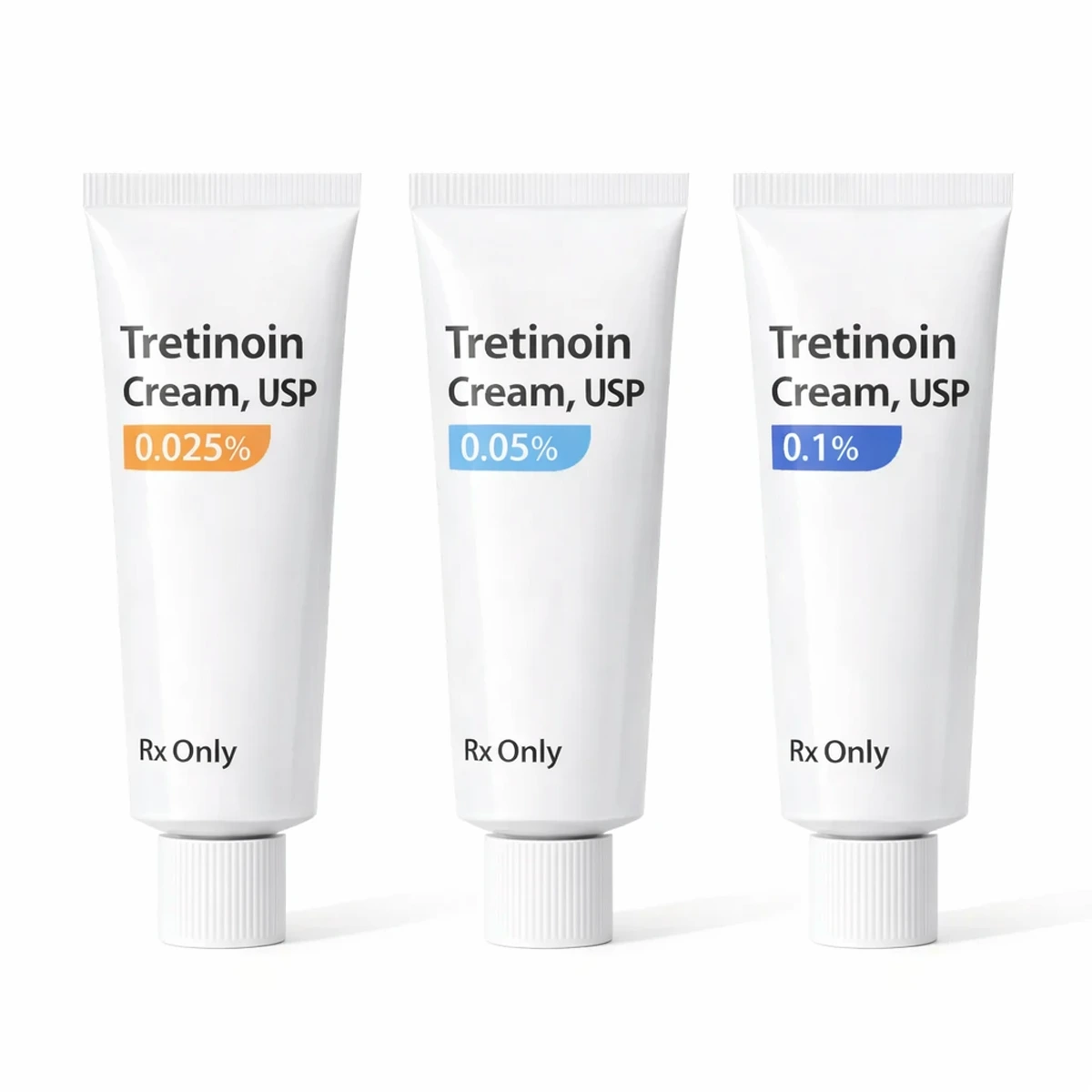
The molecule’s impact is particularly striking in comedonal acne, where blackheads and whiteheads dominate the clinical picture. In this setting, conventional cleansers and exfoliants often fail to deliver durable benefit because they act only at the surface. Tretinoin, in contrast, penetrates into the follicular epithelium and recalibrates keratinocyte proliferation and differentiation, thereby preventing the cohesive plugs that give rise to comedones. Over time, the density of microcomedones falls, and the complexion transitions from persistently congested to visibly clearer and more refined.
Tretinoin’s value extends beyond acne into a spectrum of comedonal and follicular disorders, including persistent clogged pores, early milia-like lesions, and certain manifestations of seborrheic and photoinduced keratinization changes. Across these conditions, the unifying theme is aberrant desquamation within follicles and on the skin surface. By normalizing this process, tretinoin provides a unifying therapeutic strategy that addresses multiple diagnoses through a single, well-characterized mechanism, simplifying long-term care and enhancing overall skin quality.
Another reason tretinoin is regarded as foundational lies in its capacity to integrate seamlessly with other topical and systemic therapies. It pairs synergistically with benzoyl peroxide, topical antibiotics, azelaic acid, and systemic agents, each addressing distinct components of the acne cascade. Within such regimens, tretinoin consistently serves as the structural backbone, maintaining control over follicular keratinization while adjuncts modulate microbial load and inflammatory intensity. This central role allows treatment plans to evolve over time without sacrificing the stability that tretinoin provides.
From a long-term perspective, tretinoin functions as both a corrective and preventive agent. In the active phase of acne, it reduces lesion counts and improves texture; in maintenance phases, it keeps microcomedone formation in check and limits the likelihood of relapse. This duality is especially meaningful in adolescents and young adults whose acne-prone years may span a decade or more. Skin that remains under the influence of tretinoin through these critical years typically emerges with fewer scars, less mottling, and a more uniform surface than would otherwise be expected.
Importantly, tretinoin delivers benefits that transcend the resolution of active lesions. By smoothing microrelief, evening tone, and supporting dermal collagen, it elevates the overall aesthetic and functional status of the skin. Many individuals who initially start tretinoin for acne continue it into later adulthood for its photoaging and texture-optimizing effects, illustrating the medication’s ability to accompany the skin through multiple life stages while continually adding value.
Decades of clinical use have also yielded a finely tuned understanding of how to tailor tretinoin to different skin types, ethnic backgrounds, and comorbid conditions. Oily, thick skin can tolerate and benefit from higher strengths and gel vehicles, while dry or reactive skin thrives with lower strengths and cream formulations. This adaptability ensures that tretinoin is not restricted to a narrow subset of patients but can be personalized for a remarkably wide range of dermatologic profiles.
As a result of its mechanistic depth, proven efficacy, and unmatched versatility, tretinoin remains the archetypal foundational therapy for acne and comedonal disorders, setting a standard that newer agents continue to aspire to meet.
Pharmacological mechanism of tretinoin in regulating epidermal renewal
Tretinoin’s pharmacological power derives from its direct interaction with nuclear retinoic acid receptors (RARs) within epidermal and dermal cells. After penetrating the stratum corneum, tretinoin binds primarily to RAR-α, RAR-β, and RAR-γ, forming ligand–receptor complexes that translocate to the nucleus and interact with retinoic acid response elements on DNA. This interaction modulates transcription of a wide array of genes governing keratinocyte proliferation, differentiation, and cohesion, as well as inflammatory signaling and extracellular matrix dynamics.
Within the basal layer of the epidermis, tretinoin stimulates controlled keratinocyte proliferation, increasing the supply of new cells that migrate upward through the epidermal layers. Simultaneously, it orchestrates a more orderly differentiation process, ensuring that these cells develop appropriate structural proteins and lipids as they ascend. The net result is a more dynamic yet better organized epidermis, characterized by accelerated renewal without chaotic overgrowth. This recalibrated turnover is the cornerstone of tretinoin’s impact on both acne and photoaging.
In the stratum corneum and follicular infundibulum, tretinoin downregulates the expression of adhesion molecules and desmosomal components that make corneocytes excessively sticky in acne-prone skin. Reduced cohesion between corneocytes means that they are shed individually or in small aggregates rather than as large, obstructive clumps. This subtle but critical shift prevents the formation of keratin plugs that would otherwise block follicles, giving rise to microcomedones and, eventually, to clinically evident comedones and inflammatory lesions.
- Genomic modulation of keratinocyte proliferation and differentiation through RAR-mediated transcriptional control.
- Reduction of corneocyte cohesion in the follicular infundibulum, preventing keratin plug formation.
- Normalization of epidermal barrier architecture with long-term use, despite initial transient disruption.
- Regulation of inflammatory mediator expression, attenuating excessive local immune responses.
- Stimulation of dermal fibroblast activity, enhancing collagen synthesis and matrix organization.
Tretinoin also exerts meaningful effects on epidermal barrier structure and function. At initiation, increased turnover and altered lipid processing can transiently thin the stratum corneum and disrupt its lipid lamellae, resulting in dryness and sensitivity. Over time, however, tretinoin induces a more compact and regular stratum corneum, with improved organization of corneocyte envelopes and intercellular lipids. This remodeled barrier becomes both thinner in terms of compacted scale build-up and more efficient in its protective and water-retentive functions.
Inflammatory signaling pathways are another important target. Tretinoin has been shown to modulate the expression of cytokines and chemokines such as IL-6, IL-8, and TNF-α, as well as to influence toll-like receptor expression on keratinocytes. By tempering these pathways, tretinoin reduces the intensity and duration of inflammatory responses to follicular obstruction and microbial stimuli. This anti-inflammatory modulation, though less dramatic than that of dedicated anti-inflammatory drugs, provides a crucial background effect that reduces lesion severity and post-inflammatory sequelae.
In the dermis, tretinoin activates fibroblasts and promotes synthesis of type I and III collagen while downregulating matrix metalloproteinases responsible for collagen degradation. This dual action leads to net collagen gain and reorganization of collagen bundles, which underlies the clinically observed improvements in fine lines, firmness, and shallow atrophic acne scars. Tretinoin also increases glycosaminoglycan content, enhancing dermal hydration and resilience, and contributes to normalization of elastin architecture in photoaged skin.
Melanocyte–keratinocyte interactions are influenced as well. While tretinoin does not act as a primary melanogenesis inhibitor, its acceleration of keratinocyte turnover speeds the upward transport and shedding of melanin-laden cells. Additionally, by modulating the expression of factors involved in melanosome transfer, tretinoin encourages a more even distribution of pigment within the epidermis. These effects explain its consistent performance in fading post-inflammatory hyperpigmentation and supporting combination regimens for melasma and other dyschromias.
Through coordinated genomic and cellular actions in keratinocytes, fibroblasts, and melanocytes, tretinoin reprograms epidermal renewal and dermal support in a way that simultaneously addresses comedogenesis, inflammation, texture, and pigmentation, creating a coherent mechanistic basis for its broad clinical impact.
Where to buy tretinoin safely with verified pharmaceutical quality
Safe obtainment of tretinoin hinges on sourcing the medication from supply chains that adhere to stringent pharmaceutical quality standards. Because tretinoin is a potent, prescription-strength retinoid in many jurisdictions, its distribution is typically regulated to ensure that products reaching consumers are authentic, stable, and manufactured under Good Manufacturing Practice conditions. Secure procurement not only protects against therapeutic failure from substandard formulations but also guards against adverse reactions caused by contaminants or incorrect concentrations.
Brick-and-mortar community pharmacies remain a cornerstone of safe tretinoin access. These establishments receive stock directly from licensed wholesalers and manufacturers, providing a controlled chain of custody from production to dispensing. Storage conditions in such pharmacies are designed to protect heat- and light-sensitive products like tretinoin, with temperature monitoring and rotation of inventory to avoid expired or degraded items. The physical inspection of packaging and labels at the point of sale adds another layer of assurance that the product is legitimate and intact.
Hospital-based and dermatology-affiliated pharmacies offer an additional level of integration, often stocking a curated range of tretinoin strengths and vehicles aligned with contemporary dermatologic practice. Such pharmacies commonly maintain detailed records of lot numbers, expiration dates, and manufacturers, supporting traceability in the rare event of a recall or quality concern. Their close connection to clinical services ensures that the formulations on hand match the therapeutic strategies currently favored for acne, photoaging, and pigmentary conditions.
| Source Type | Quality Oversight | Typical Verification Features | Relative Risk of Counterfeit |
|---|---|---|---|
| Community pharmacy | National pharmacy regulation, GMP-compliant suppliers | Licensed premises, labeled manufacturer and lot, controlled storage | Very low |
| Hospital / clinic pharmacy | Institutional quality systems, formulary control | Integrated records, documented supply chain | Very low |
| Accredited online pharmacy | Remote regulatory accreditation, prescription validation | License numbers, secure platform, traceable shipping | Low when accreditation is genuine |
| Unregulated online marketplace | Minimal or absent | Often incomplete labeling, unclear origin | High |
Accredited online pharmacies expand access to tretinoin for individuals who may not have convenient physical pharmacy access. When properly licensed, these platforms source products from the same GMP-compliant manufacturers as community pharmacies and adhere to similar standards for storage and handling. Prescription verification, secure payment systems, and trackable shipping further support safety. Transparency regarding licensing authorities, physical headquarters, and manufacturer partnerships allows users to verify the legitimacy of the service independently.
Specialized dermatology e-pharmacies and teledermatology-linked dispensaries represent a hybrid model that combines remote clinical evaluation with direct medication fulfillment. In these systems, tretinoin is supplied only after a structured digital consultation and is dispensed from centralized, regulated pharmacies that maintain tight control over inventory and quality. The integration of prescribing and dispensing data enhances pharmacovigilance and simplifies follow-up, as both clinical and supply information reside within a unified digital ecosystem.
Generic tretinoin produced by reputable manufacturers offers an economically attractive yet clinically robust option when obtained through verified channels. Regulatory authorities typically require generics to demonstrate equivalence in active ingredient concentration and performance characteristics relative to reference products. When dispensed by regulated pharmacies, such generics provide confidence that cost savings do not come at the expense of efficacy or safety, enabling long-term therapy without unsustainable financial burden.
Across all legitimate channels, consistent hallmarks of quality include intact, tamper-evident packaging; clearly printed concentration and vehicle; manufacturer name and address; batch and lot numbers; and unambiguous expiration dates. These details, combined with visible regulatory markings where applicable, form a practical checklist for confirming that a tube of tretinoin has emerged from a rigorously controlled pharmaceutical pipeline rather than an uncertain source.
By prioritizing licensed community and hospital pharmacies, accredited online platforms, and dermatology-linked dispensaries, individuals can obtain tretinoin with high confidence in its authenticity, potency, and safety profile, laying a secure foundation for effective long-term therapy.
Potential risks associated with purchasing tretinoin through online pharmacies
The digitalization of pharmaceutical supply has brought remarkable convenience but also a complex set of risks when tretinoin is obtained from inadequately regulated online sources. While accredited internet pharmacies can match the quality standards of brick-and-mortar outlets, a substantial proportion of websites selling prescription medications operate outside formal oversight. For a potent agent like tretinoin, such unregulated distribution introduces hazards ranging from therapeutic failure to unexpected toxicities.
One of the most significant dangers is exposure to counterfeit or substandard products. Illicit manufacturers may mislabel concentrations, substitute cheaper or inactive compounds, or fail to meet basic sterility and contamination-control standards. In the case of tretinoin, under-dosed products can lead to disappointing clinical outcomes, encouraging unnecessary escalation of therapy, while over-dosed or contaminated formulations can provoke severe irritation, dermatitis, or systemic effects if absorption is unexpectedly high. The absence of reliable batch testing and regulatory inspection in these clandestine operations magnifies these risks.
Another concern relates to the lack of integrated clinical oversight in many rogue online settings. Sites that dispense tretinoin without any prescription requirement, medical history review, or eligibility screening bypass critical safeguards designed to identify contraindications and high-risk scenarios. Individuals with conditions such as active eczema, severe rosacea, or a history of hypersensitivity may receive potent retinoids without appropriate caution, increasing the probability of exacerbations and adverse reactions that could have been anticipated in a supervised context.
- Counterfeit or misbranded tretinoin with incorrect concentration or undeclared ingredients.
- Substandard manufacturing lacking GMP controls, leading to instability or contamination.
- Absence of medical screening, allowing use in contraindicated or high-risk situations.
- Inadequate storage and transport conditions, degrading tretinoin before it reaches the user.
- Weak or nonexistent pharmacovigilance, impeding detection of safety signals.
Storage and transport conditions represent a further vulnerability in unregulated online supply chains. Tretinoin is sensitive to light, heat, and oxygen, and improper warehousing or shipping can lead to significant degradation before the product reaches the end user. Degraded tretinoin may appear intact externally but deliver reduced or inconsistent active content, producing erratic therapeutic responses. In extreme cases, breakdown products could contribute to irritation or allergic reactions distinct from those expected with properly stored medication.
Data security and privacy issues also intersect with clinical safety. Websites that disregard regulatory norms for medication distribution may similarly neglect protections for personal and financial information. Breaches or misuse of health-related data can erode trust and deter individuals from seeking legitimate care, while fraudulent billing practices or identity theft add a further layer of harm unrelated to the medication itself but tightly linked to the decision to engage with unsafe vendors.
The absence of reliable pharmacovigilance mechanisms in illicit online markets impedes the identification and management of emerging safety concerns. Legitimate pharmaceutical systems rely on traceable lot numbers, manufacturer records, and structured adverse event reporting to detect patterns that might signal quality defects or rare side effects. Unregulated sellers typically maintain no such infrastructure, making it nearly impossible to investigate complaints, issue recalls, or notify affected users when issues are discovered.
Even when a product purchased online appears to be authentic, the lack of transparent, verifiable provenance can complicate clinical decision-making. If a person experiences unexpected irritation, lack of efficacy, or unusual reactions, uncertainty about the product’s authenticity and storage history makes it difficult to determine whether the issue lies with the medication, the regimen, or an underlying skin condition. This ambiguity can delay appropriate adjustments and prolong suboptimal outcomes.
Collectively, these risks underscore that the apparent convenience and lower upfront costs of unregulated online tretinoin sources are often offset by hidden clinical, financial, and privacy hazards, whereas accredited platforms and traditional pharmacies provide a far more controlled and reliable framework for accessing this powerful retinoid.
Cost comparison of tretinoin formulations across online dermatology pharmacies
The economics of tretinoin therapy are shaped by a dynamic interplay between formulation type, concentration, brand status, and pharmacy business model, particularly in the online environment where price transparency is high and competition is intense. For individuals planning long-term therapy, understanding these cost differentials can inform rational choices that preserve clinical quality while optimizing affordability. Online dermatology pharmacies, teledermatology-linked dispensaries, and general e-pharmacies each occupy distinct niches in this landscape.
Brand-name tretinoin products often command premium prices due to proprietary formulations, marketing investments, and perceived reliability. These products may feature advanced vehicles such as microsphere or polymeric delivery systems designed to enhance tolerability and stability. In contrast, generic formulations typically offer similar active ingredient concentrations at substantially lower prices, reflecting reduced development costs and competitive manufacturing. When both categories are sourced from reputable suppliers, generics frequently deliver equivalent clinical outcomes at a fraction of the cost.
Vehicle type exerts a notable influence on pricing. Microsphere gels and sophisticated emulsion systems tend to be more expensive than standard creams or simple gels because they involve more complex manufacturing technologies and intellectual property. Online dermatology pharmacies that specialize in retinoid therapy may stock an extensive range of such advanced formulations, providing nuanced options for sensitive or treatment-resistant skin, but at higher unit prices compared with basic generics available through general e-pharmacies.
| Online Pharmacy Model | Example Product Type | Typical 30 g Tube Price (0.05% cream) | Price Modifier Factors |
|---|---|---|---|
| Dermatology-specialized platform | Brand-name microsphere tretinoin | $85–$130 | Advanced vehicle, bundled clinical content |
| General accredited online pharmacy | Generic tretinoin cream | $35–$70 | High-volume purchasing, basic vehicle |
| Teledermatology-integrated service | Customized regimen pack with tretinoin | $90–$160 (including consult) | Consultation bundled, curated formulation |
| Discount subscription pharmacy | Generic tretinoin with auto-refill | $25–$55 | Subscription discount, limited brand choice |
Pharmacy business models also shape pricing structures. Teledermatology-integrated services often bundle consultation, follow-up messaging, and medication supply into a single fee, which may appear higher per tube but includes professional evaluation and ongoing support. Subscription-based pharmacies, in contrast, may offer lower unit prices in exchange for automatic refills and longer-term commitment, making them attractive for individuals who anticipate stable, long-duration tretinoin use.
Geographic factors and regulatory environments further modulate costs. In some regions, price regulation or national formularies exert downward pressure on both brand-name and generic tretinoin pricing, while in others, market forces lead to wider variability. Cross-border online purchasing can introduce apparent bargains, but these must be weighed against potential customs fees, shipping costs, and the necessity of ensuring that the foreign pharmacy is properly accredited within its jurisdiction.
Insurance coverage and reimbursement policies substantially affect out-of-pocket expenses. Some online pharmacies integrate directly with insurance systems, enabling copay-based pricing that can make brand-name formulations surprisingly affordable. Others operate on a cash-pay model, where generic tretinoin often becomes the most economically rational choice. Transparent display of cash prices, insurance-adjusted prices, and available discount programs on pharmacy websites empowers individuals to compare options accurately.
From a long-term value perspective, the modest monthly cost of high-quality generic tretinoin can yield disproportionately large dividends in terms of reduced acne burden, lower scarring risk, and delayed photoaging, potentially offsetting future expenditures on corrective procedures. When cost comparisons are framed not only in terms of immediate price per tube but also in relation to multi-year clinical benefit, tretinoin emerges as a highly cost-effective cornerstone of dermatologic care.
By analyzing how brand status, vehicle sophistication, pharmacy model, geography, and insurance interplay in the online arena, individuals can identify tretinoin supply options that align with both their clinical priorities and financial realities, maximizing the therapeutic return on every dollar spent.
Clinical pathway for obtaining a tretinoin prescription and initiating therapy
The clinical pathway leading to a tretinoin prescription is designed to match this potent retinoid’s capabilities with the specific dermatologic needs and safety profile of each individual. Rather than a simple transactional event, prescription issuance is typically the culmination of a structured evaluation that considers diagnosis, severity, comorbidities, concomitant medications, and personal treatment goals. This pathway ensures that tretinoin is deployed where its unique mechanistic strengths will deliver the greatest benefit.
The process usually begins with a detailed history of skin concerns, encompassing the onset, duration, and pattern of acne or photoaging signs, prior treatments and responses, and any history of adverse reactions to topical agents. Information about systemic health, medication use, hormonal influences, and lifestyle factors such as sun exposure and skincare habits provides additional context. This holistic view clarifies whether tretinoin is appropriate as a first-line therapy or as part of a broader regimen that might include systemic agents or procedural interventions.
Clinical examination focuses on characterizing lesion types, distribution, and severity. In acne, the balance between comedonal and inflammatory lesions, the presence of nodules or cysts, and any signs of scarring or post-inflammatory hyperpigmentation guide the anticipated intensity and duration of tretinoin therapy. In photoaging, the prominence of fine lines, coarse wrinkles, pigmentary mottling, and textural roughness informs decisions about concentration, vehicle, and adjunctive treatments. Observations about erythema, dryness, and barrier integrity also influence initial strength selection and application frequency.
- Comprehensive history of skin concerns, systemic health, and prior treatment exposure.
- Targeted physical examination to grade acne or photoaging severity and identify sequelae.
- Assessment of skin type, sensitivity, and barrier status to guide formulation choice.
- Review of concurrent medications and conditions that may interact with tretinoin use.
- Collaborative discussion of expectations, timelines, and potential adaptation phases.
Once tretinoin is deemed suitable, the prescriber selects an initial concentration and vehicle tailored to the individual’s skin profile and indication. For example, a 0.025% cream might be chosen for a person with early photoaging and dryness, whereas a 0.05% gel could be favored for predominantly comedonal acne in oily skin. Consideration is also given to how tretinoin will integrate with existing products, such as non-comedogenic moisturizers, gentle cleansers, and sunscreens, to form a coherent therapeutic routine.
Education about the expected course of therapy is a critical component of initiation. Discussion typically covers the possibility of transient irritation, increased dryness, and a potential early flare of comedones as pre-existing microcomedones surface more rapidly. Clarifying that these phenomena are common, manageable, and usually self-limited helps align expectations with biological reality. Emphasis on the multi-month timeline for meaningful improvements in acne, pigmentation, and fine lines encourages persistence during the initial adjustment period.
Follow-up planning is embedded in the prescription process. Early review appointments or digital check-ins allow assessment of tolerability, adherence, and early response, creating opportunities to adjust concentration, vehicle, or application frequency as needed. These touchpoints also provide space to address questions, refine supportive skincare, and reinforce the rationale for continued therapy despite temporary discomforts or gradual progress.
Over time, the clinical pathway becomes cyclical rather than linear. As skin condition evolves—whether through reduction in acne severity, resolution of major pigmentary concerns, or progression of intrinsic aging—the tretinoin regimen may be recalibrated. Concentrations may be stepped up or down, vehicles switched, and application frequency modified to maintain an optimal balance between efficacy and comfort. This ongoing adaptability reflects tretinoin’s versatility and the dynamic nature of skin biology.
Through this structured pathway of assessment, individualized prescription, expectation setting, and iterative refinement, tretinoin therapy is not merely started but thoughtfully embedded into a long-term strategy for skin health and aesthetic preservation.
Dermatologic indications for tretinoin in acne and photoaging management
Tretinoin’s dermatologic indications span a spectrum of conditions unified by abnormalities in keratinization, follicular obstruction, pigmentation, and photoinduced structural damage. Its best-known role is in acne management, where it addresses both comedonal and inflammatory components, but its impact extends into photoaging, pigmentary disorders, and select keratinization abnormalities. This breadth arises from the molecule’s ability to modulate epidermal renewal and dermal remodeling at a fundamental level.
In acne vulgaris, tretinoin is indicated for mild to moderate comedonal and mixed acne, and as an adjunct in more severe forms. Comedonal acne, dominated by blackheads and whiteheads, responds particularly well because tretinoin directly disrupts the microcomedone formation process. Inflammatory acne also benefits indirectly as fewer comedones progress to papules and pustules, and as inflammatory mediator expression is moderated. The result is a reduction in both lesion counts and flare intensity, making tretinoin a core component of comprehensive acne regimens.
Photoaging represents another major indication. Chronic ultraviolet exposure leads to collagen degradation, elastin disorganization, and irregular melanin deposition, producing fine lines, wrinkles, rough texture, and mottled pigmentation. Tretinoin addresses these changes by stimulating dermal collagen synthesis, reducing matrix metalloproteinase activity, normalizing epidermal turnover, and promoting more even pigment distribution. Clinically, this translates into softer fine lines, smoother microrelief, and a more uniform, luminous complexion over sustained periods of use.
- Comedonal and mixed-pattern acne vulgaris across a broad age range.
- Inflammatory acne as part of combination regimens to reduce lesion progression and sequelae.
- Early to moderate photoaging, including fine wrinkling, roughness, and dyschromia.
- Post-inflammatory hyperpigmentation following acne or minor skin injury.
- Certain follicular keratinization disorders, such as keratosis pilaris, under appropriate supervision.
Post-inflammatory hyperpigmentation (PIH), especially after acne, is a frequent indication, particularly in darker skin phototypes where pigmentary sequelae can be more intense and long-lasting. Tretinoin accelerates the removal of melanin-laden keratinocytes and supports more even pigment distribution, gradually fading dark macules that persist after lesions resolve. When combined with rigorous photoprotection and, in some cases, additional depigmenting agents, tretinoin contributes to restoration of a more homogeneous skin tone.
Melasma and other patterned hyperpigmentation disorders often incorporate tretinoin as part of multimodal therapy. While not a standalone cure, tretinoin enhances the effectiveness of melanogenesis inhibitors such as hydroquinone and azelaic acid by improving penetration and hastening the turnover of pigmented cells. Its inclusion in classic triple-combination creams underscores its importance in evidence-based pigment management, particularly for epidermal or mixed-type melasma.
Keratinization disorders, including keratosis pilaris and certain forms of follicular hyperkeratosis, may benefit from tretinoin’s normalization of corneocyte cohesion and shedding. In these conditions, rough, bumpy skin results from compacted keratin within follicles and on the surface. Tretinoin gradually reduces this accumulation, smoothing the texture and enhancing tactile comfort, especially when combined with emollients that support barrier function and hydration.
Beyond direct treatment indications, tretinoin plays a preventive role in reducing the risk of acne scarring and long-term textural damage. By limiting the frequency and severity of inflammatory flares and supporting more balanced dermal repair, tretinoin decreases the likelihood that acne will leave permanent atrophic or hypertrophic marks. This preventive dimension is particularly important in individuals with a strong family history of scarring or with early signs of textural change.
Collectively, these indications illustrate why tretinoin is widely regarded as a first-line or foundational therapy across multiple dermatologic domains, capable of addressing active lesions, residual marks, and early structural changes within a single, well-characterized pharmacologic framework.
Economic considerations and long-term clinical value of tretinoin therapy
The economics of tretinoin therapy extend far beyond the price of an individual tube, encompassing long-term clinical outcomes, reduced need for invasive procedures, and the psychological and social benefits of sustained skin health. When evaluated over multi-year horizons, tretinoin frequently emerges as a highly cost-effective intervention, particularly for chronic conditions such as acne and photoaging where early, consistent management can significantly alter disease trajectories.
Direct costs include the medication itself, associated skincare products (such as gentle cleansers and moisturizers), and periodic clinical or teledermatologic consultations. These expenditures are typically modest on a monthly basis, especially when generic formulations are used. However, they must be weighed against the potential savings from avoided or delayed interventions, such as systemic medications for uncontrolled acne, procedural treatments for scarring, or cosmetic procedures for advanced photoaging.
In acne management, tretinoin’s ability to reduce lesion frequency, severity, and scarring risk can translate into substantial long-term savings. Severe scarring often prompts interest in laser resurfacing, microneedling, fillers, or surgical procedures, each of which carries significant costs and may require multiple sessions. By lowering the incidence of high-risk inflammatory flares and supporting more orderly healing, tretinoin reduces the likelihood and extent of such interventions, effectively shifting investment from corrective to preventive care.
| Cost Component | Approximate Range (per year) | Influence of Tretinoin | Potential Long-Term Impact |
|---|---|---|---|
| Tretinoin (generic, 30 g tubes) | $120–$360 | Core disease-modifying therapy | Reduced acne activity and photoaging progression |
| Supportive skincare | $150–$400 | Enhances tolerance and adherence | Stable long-term use with fewer interruptions |
| Procedural acne scar treatments | $600–$3,000+ | Need often reduced when acne controlled early | Lower cumulative expenditure on corrective care |
| Photoaging corrective procedures | $800–$5,000+ | Onset and intensity potentially delayed | Deferred or decreased reliance on high-cost procedures |
For photoaging, consistent tretinoin use can delay or attenuate the development of fine lines, mottled pigmentation, and textural degradation that often drive demand for peels, lasers, and injectables. While such procedures may still be desired for targeted concerns, the baseline quality of tretinoin-maintained skin often requires fewer sessions or lower-intensity interventions to achieve similar aesthetic goals. This incremental preservation of dermal integrity acts as a form of biological savings account, accruing value as the years progress.
Product selection within the tretinoin category also influences cost structure. Advanced brand-name formulations with microsphere or polymeric delivery systems may command higher prices but can offer improved tolerability, potentially reducing expenditures on soothing adjuncts or treatment interruptions due to irritation. Conversely, well-formulated generics provide robust efficacy at lower cost, making them attractive for individuals prioritizing affordability without sacrificing clinical outcomes. The optimal balance depends on individual skin behavior and financial context.
Indirect economic benefits arise from improvements in quality of life and psychosocial functioning. Acne and visible photoaging can affect self-esteem, social engagement, and, in some cases, professional opportunities. By reducing the burden of visible lesions, discoloration, and early aging signs, tretinoin may contribute to better mental well-being and confidence, which, while harder to quantify, carry real-world value that complements direct medical cost savings.
Insurance coverage patterns further shape the economic landscape. In systems where tretinoin is reimbursed, out-of-pocket costs may be minimal, encouraging earlier and more widespread adoption. In predominantly cash-pay environments, transparent pricing, generic options, and subscription discounts offered by some pharmacies can make long-term therapy more attainable. Thoughtful navigation of these options allows individuals to construct financially sustainable regimens that do not compromise on pharmaceutical quality.
When viewed through the lens of multi-year clinical benefit, reduced downstream procedural needs, and enhanced psychosocial outcomes, tretinoin stands out as a high-value investment in skin health, particularly when sourced affordably and integrated into a well-designed, enduring care strategy.
Teledermatology and remote consultation for monitoring tretinoin treatment
Teledermatology has emerged as a powerful ally in the long-term management of tretinoin therapy, enabling high-quality monitoring and regimen optimization without the constraints of in-person visits. For a medication whose full benefits unfold over months to years and whose early phase can involve nuanced adjustments, remote consultation offers an efficient, patient-centered framework that aligns particularly well with the chronic, evolving nature of acne and photoaging care.
Digital platforms allow structured initial assessments through detailed questionnaires, high-resolution photographs, and, in some systems, live video consultations. These tools provide sufficient information to evaluate acne severity, photoaging signs, pigmentary concerns, and baseline sensitivity, facilitating informed decisions about whether tretinoin is appropriate and which concentration and vehicle should be selected. Teledermatology thus extends access to expert-level retinoid management to individuals in remote areas or with limited ability to attend clinic appointments.
Once tretinoin therapy is initiated, remote follow-up becomes especially valuable during the adaptation phase. Secure messaging and periodic photo submissions enable timely evaluation of dryness, peeling, erythema, and lesion evolution, allowing rapid adjustments in application frequency, supportive skincare, or even concentration if needed. This responsiveness reduces the likelihood that transient irritation will lead to premature discontinuation, supporting adherence through the critical early months.
| Teledermatology Feature | Relevance to Tretinoin Therapy | Clinical Advantage | Typical Implementation |
|---|---|---|---|
| Asynchronous photo review | Monitoring lesion counts and irritation | Flexible follow-up, visual trend tracking | Secure image upload with periodic check-ins |
| Secure messaging | Addressing questions about side effects | Rapid reassurance and regimen fine-tuning | In-app chat or encrypted email systems |
| Integrated e-prescribing | Adjusting concentration or vehicle | Seamless transition to optimized formulations | Electronic prescriptions linked to partner pharmacies |
| Outcome tracking dashboards | Evaluating clinical response over time | Data-driven regimen evolution | Symptom scores, photo timelines, adherence logs |
Teledermatology platforms can also incorporate structured outcome tracking, including standardized acne severity scores, patient-reported symptom scales, and side-by-side photo comparisons over time. These tools help quantify progress in ways that are often more objective than memory alone, reinforcing motivation by making incremental improvements visible. For photoaging, serial imaging under consistent lighting conditions can highlight subtle changes in fine lines, texture, and pigmentation that accumulate under sustained tretinoin use.
Integration with online pharmacies and fulfillment centers creates a seamless continuum from consultation to medication delivery. Once a regimen is agreed upon, prescriptions can be transmitted electronically to accredited pharmacies that ship tretinoin directly to the individual’s home, often with synchronized refill reminders. This model reduces logistical barriers to continuity, ensuring that lapses in supply do not interrupt the consistent application that tretinoin’s mechanisms require.
Teledermatology is particularly advantageous for individuals whose schedules, caregiving responsibilities, or mobility limitations make frequent in-person visits challenging. Remote access to expert guidance allows them to benefit from sophisticated tretinoin management without sacrificing time, income, or other essential activities. This inclusivity broadens the population that can realistically sustain high-quality retinoid therapy over the long term.
From a systems perspective, teledermatology can enhance efficiency by triaging cases that require in-person evaluation—such as those with diagnostic uncertainty, severe scarring, or suspected malignancies—while managing stable tretinoin users remotely. This stratification allows in-clinic resources to be focused where they are most needed, without compromising the quality of care for those whose conditions are well suited to digital follow-up.
By combining structured remote assessment, responsive communication, integrated prescribing, and longitudinal outcome tracking, teledermatology offers an elegant, modern framework for monitoring and optimizing tretinoin therapy, ensuring that distance and time constraints do not stand in the way of superior dermatologic outcomes.
Duration of tretinoin therapy and expected skin adaptation phases
Tretinoin therapy unfolds across distinct temporal phases, each characterized by specific biological events and clinical manifestations. Recognizing these phases helps contextualize the duration of treatment and the evolving appearance and feel of the skin. Unlike short courses of symptomatic medications, tretinoin is inherently a long-term therapy, with benefits that compound over months and years as the epidermis and dermis progressively remodel.
The initial phase, typically spanning the first 4–8 weeks, is dominated by adaptation. During this period, keratinocyte turnover accelerates, the stratum corneum thins transiently, and the barrier reorganizes. Clinically, the skin may exhibit dryness, peeling, tightness, and mild erythema, especially in areas with thinner skin or greater movement. In acne, some individuals notice a temporary increase in visible lesions as pre-existing microcomedones surface more rapidly, a phenomenon often described as purging but mechanistically reflecting the clearance of a pre-treatment backlog.
The intermediate phase, roughly from weeks 8 to 24, is where many of tretinoin’s most satisfying visible benefits begin to consolidate. In acne, comedonal and inflammatory lesion counts typically decline steadily, with fewer new breakouts and quicker resolution of existing lesions. Post-inflammatory hyperpigmentation may start to fade as melanin-laden keratinocytes are shed more quickly. Texture often becomes smoother, and pores appear less congested, signaling that follicular dynamics have shifted toward a more stable, less obstruction-prone state.
- Initial adaptation (weeks 1–8): barrier disruption, transient irritation, possible early lesion flare.
- Intermediate response (weeks 8–24): declining acne activity, emerging improvements in tone and texture.
- Structural remodeling (months 6–12+): collagen support, fine-line softening, durable pigment harmonization.
- Maintenance phase (beyond 12 months): stabilization of gains with flexible dosing strategies.
From approximately six months onward, structural remodeling in the dermis becomes more clinically apparent, particularly in photoaged skin. Collagen synthesis and reorganization, coupled with reduced matrix degradation, gradually soften fine lines and improve firmness. Texture refinements deepen, and pigmentary irregularities continue to even out. At this stage, the skin’s overall behavior often feels more predictable and resilient, with fewer dramatic swings in dryness, oiliness, or breakout patterns.
Beyond 12 months, tretinoin typically transitions into a maintenance role. The major shifts in acne activity, pigmentation, and fine lines have already occurred, and the goal becomes preservation and incremental enhancement rather than dramatic transformation. Application frequency and concentration may be adjusted based on ongoing needs, tolerability, and the presence of new or evolving concerns. Many individuals find that a stable, long-term regimen at this stage yields subtle but continuous improvements in radiance and uniformity.
Duration expectations vary by indication. Comedonal acne may show substantial control within 3–6 months, yet continued use is often recommended to prevent relapse. Inflammatory acne with scarring risk may require extended, intensive tretinoin use in combination with other modalities to secure durable remission. Photoaging changes, especially those involving collagen and elastin, respond more slowly and may continue to improve for several years under consistent therapy, particularly when coupled with rigorous photoprotection.
Importantly, adaptation is not a one-time event; life stages and environmental exposures can alter skin behavior and necessitate periodic recalibration. Hormonal shifts, climate changes, new medications, or procedural interventions may temporarily alter tolerance or needs, prompting short-term adjustments in tretinoin frequency or strength. These transient modifications do not negate the underlying long-term trajectory but rather keep therapy aligned with the skin’s current state.
When tretinoin is framed as a multi-phase, long-duration therapy with distinct adaptation, response, remodeling, and maintenance stages, its time course aligns naturally with the chronic, evolving nature of acne and photoaging, transforming expectations from quick fixes into sustainable, biologically grounded skin stewardship.
Concentration selection and application protocols for tretinoin treatment
Designing an effective tretinoin regimen involves more than choosing a tube from the shelf; it requires thoughtful alignment of concentration, vehicle, application area, and frequency with the individual’s skin type, indication, and tolerance. This customization allows tretinoin’s potent biological actions to be harnessed fully while minimizing irritation, thereby sustaining adherence over the long term. The result is a protocol that feels tailored rather than generic, enhancing both clinical outcomes and user satisfaction.
Concentration selection typically ranges from 0.01% to 0.1%, with 0.025% and 0.05% representing common starting points. Lower strengths are often favored for sensitive or dry skin, early photoaging, or individuals new to retinoids, as they provide meaningful biological activity with a gentler adaptation curve. Higher strengths may be reserved for robust, oily, or heavily photodamaged skin, or for those who have already demonstrated good tolerance at lower concentrations and require intensified therapy for persistent comedonal acne or advanced photoaging.
Vehicle choice—cream, gel, or advanced delivery systems such as microspheres—further refines regimen design. Creams, with their emollient bases, suit normal to dry or mature skin and can buffer some of the dryness associated with increased turnover. Gels, often lighter and less occlusive, align well with oily or acne-prone skin, particularly in humid climates. Microsphere formulations and other controlled-release vehicles distribute tretinoin more gradually, smoothing peak exposure and reducing irritation spikes while maintaining overall efficacy.
- Lower concentrations (0.01–0.025%) commonly used for sensitive skin and early photoaging.
- Intermediate strengths (0.025–0.05%) frequently selected for mild to moderate acne and mixed indications.
- Higher strengths (0.05–0.1%) reserved for treatment-resistant acne or pronounced photodamage with established tolerance.
- Cream vehicles favored for dry or mature skin; gels for oily, comedonal-prone skin; controlled-release systems for sensitive yet acne-prone profiles.
- Application frequency adjusted from twice weekly to nightly according to adaptation and clinical response.
Application protocols generally emphasize thin, uniform coverage of the entire affected area rather than spot treatment. For facial acne or photoaging, a pea-sized amount is typically sufficient when dotted across key zones and then gently spread. This approach ensures that both visible lesions and subclinical microcomedones or early photoaging changes receive exposure, maximizing preventive benefits. For body sites such as the chest, back, or upper arms, quantities are scaled proportionally, with attention to regional differences in stratum corneum thickness and sensitivity.
Frequency is a critical adjustable parameter. Initiation may involve application two or three nights per week, progressing toward nightly use as tolerance improves. Some individuals maintain sub-nightly schedules long term if clinical control is excellent and further intensification offers limited additional benefit. Conversely, in severe or recalcitrant acne, nightly use at an appropriate concentration may be prioritized once the skin demonstrates adequate resilience, given the higher stakes of lesion control and scarring prevention.
Integration with other topical agents shapes protocol details. When combined with benzoyl peroxide or topical antibiotics, tretinoin is often applied at a different time of day or on alternate nights to minimize irritation and preserve stability. In regimens including exfoliating acids or vitamin C, temporal separation—such as acids on non-retinoid nights and vitamin C in the morning—helps avoid overloading the barrier while still delivering multifaceted benefits. This choreography ensures that each active contributes its strengths without undermining tolerability.
Special considerations apply to sensitive areas and transitional zones. Regions such as the corners of the nose, perioral area, and periocular skin are more prone to dryness and erythema. Some protocols avoid direct application to these zones initially or use buffering strategies, such as pre-application of moisturizer, before gradually expanding coverage. Body areas with thicker skin, such as the upper back, may tolerate more frequent application or higher concentrations but still require close observation during the adaptation period.
Through deliberate selection of concentration and vehicle, careful calibration of application frequency, and intelligent coordination with companion products, tretinoin regimens can be sculpted to deliver maximal therapeutic impact with sustainable comfort, turning a powerful pharmacologic agent into a finely tuned instrument of long-term skin renewal.
Treatment progression and expected dermatologic outcomes with tretinoin
Tretinoin therapy delivers a characteristic cascade of clinical outcomes that unfold in a predictable progression, reflecting its layered effects on keratinization, inflammation, pigmentation, and dermal structure. Appreciating this trajectory helps contextualize day-to-day changes and reinforces the rationale for sustained use, as many of the most meaningful benefits emerge only after months of consistent therapy.
In acne, early outcomes often include a subtle softening of existing comedones and a shift in the skin’s overall feel, even before lesion counts decline significantly. Blackheads may appear less raised and easier to clear, while closed comedones gradually flatten. As weeks pass, the frequency of new comedone formation decreases, and inflammatory papules and pustules become less common and less intense. By the three- to six-month mark, many individuals experience a substantial reduction in overall lesion burden, with fewer flares and shorter durations when breakouts do occur.
Post-inflammatory hyperpigmentation associated with acne or minor trauma typically improves on a slightly longer timeline. As tretinoin accelerates epidermal turnover and normalizes melanin distribution, dark macules fade gradually, and the contrast between previously affected and unaffected areas diminishes. In darker skin phototypes, where PIH is often particularly stubborn, combination regimens incorporating tretinoin with depigmenting agents and strict photoprotection can yield striking improvements in tone uniformity over six to twelve months.
- Short-term outcomes: comedone softening, early reduction in new lesion formation, improved microrelief.
- Medium-term outcomes: substantial decline in acne lesion counts, fading of post-inflammatory hyperpigmentation.
- Long-term outcomes: fine-line softening, enhanced firmness, smoother texture, and more even pigmentation.
- Preventive outcomes: reduced scarring risk and delayed progression of photoaging changes.
- Global outcomes: improved skin predictability, resilience, and overall aesthetic harmony.
In photoaging, initial outcomes may be modest and textural, such as a smoother feel after cleansing and a more uniform surface under makeup. Over several months, fine lines around the eyes and mouth often become less etched, and the skin’s overall reflectivity improves as the stratum corneum becomes more regular and compact. Mottled pigmentation and solar lentigines may lighten gradually, particularly when tretinoin is combined with targeted pigment therapies and diligent sun protection.
Long-term structural outcomes, driven by collagen synthesis and matrix reorganization, become more pronounced beyond six to twelve months. Fine wrinkles soften, and the skin acquires a firmer, more elastic quality that is particularly noticeable in previously lax or crepey areas. These changes are subtle when viewed week to week but become unmistakable when compared with baseline photographs, revealing the cumulative impact of sustained retinoid-driven remodeling.
In keratinization disorders such as keratosis pilaris, outcomes center on texture and tactile comfort. Rough, bumpy skin gradually smooths as follicular keratin plugs diminish and the overlying stratum corneum becomes less compact. Redness associated with chronic follicular irritation may also decrease, especially when tretinoin is paired with emollients and anti-inflammatory ingredients. The result is skin that feels noticeably softer to the touch and appears more uniform under varied lighting conditions.
Preventive outcomes, though less immediately visible, are among tretinoin’s most valuable contributions. By reducing the frequency and severity of inflammatory acne flares, tretinoin lowers the cumulative risk of atrophic scarring and persistent hyperpigmentation. In photoaging, its ongoing support of collagen and elastin integrity slows the emergence of deeper wrinkles and structural sagging. Over a decade or more, these protective effects can yield a complexion that appears significantly more youthful and less damaged than would be expected without retinoid therapy.
Globally, individuals who maintain tretinoin use often describe their skin as more predictable, resilient, and easy to manage. Breakouts become less disruptive, seasonal shifts are easier to navigate, and cosmetic products apply and wear more consistently. This overall harmonization of skin behavior is the aggregate expression of tretinoin’s many mechanistic actions, culminating in a complexion that not only looks healthier but behaves in a more stable, reliable manner over time.
Contraindications, precautions, and skin tolerance considerations for tretinoin
Tretinoin’s potent biological activity necessitates careful attention to contraindications and precautionary factors to ensure safe and effective use. While the medication is remarkably versatile and well tolerated by many individuals, certain clinical scenarios call for heightened caution or alternative approaches. Thoughtful screening and ongoing vigilance help align tretinoin therapy with each person’s unique dermatologic and systemic context.
Absolute contraindications primarily relate to known hypersensitivity to tretinoin or any component of the formulation. Individuals with a documented history of allergic contact dermatitis to tretinoin or specific excipients in a given product should avoid re-exposure to the same formulation. In such cases, patch testing or exploration of alternative retinoids or vehicles may be considered under appropriate supervision, but direct rechallenge with the offending product is generally inadvisable.
Relative contraindications and cautions encompass a broader set of conditions and circumstances. Active eczematous dermatitis, severe rosacea, and markedly compromised barriers from recent procedures (such as deep chemical peels or ablative laser resurfacing) can significantly amplify tretinoin-induced irritation. In these contexts, barrier restoration and control of underlying inflammation usually take precedence, with retinoid introduction deferred or approached with extremely low concentrations and frequencies, if at all, depending on clinical judgment and response.
- History of hypersensitivity to tretinoin or specific formulation excipients.
- Active barrier-disruptive dermatoses, including uncontrolled eczema or severe rosacea.
- Recent aggressive resurfacing procedures with incomplete barrier recovery.
- Concurrent use of multiple irritant topicals that may synergize with retinoid effects.
- High baseline photosensitivity or occupational UV exposure requiring enhanced photoprotection planning.
Concurrent use of other potentially irritating topicals, such as high-strength alpha- or beta-hydroxy acids, benzoyl peroxide, or alcohol-rich toners, warrants particular attention. While these agents can be compatible with tretinoin in carefully structured regimens, uncoordinated use increases the likelihood of cumulative irritation, barrier breakdown, and poor adherence. Rational sequencing, alternating schedules, and, in some cases, temporary discontinuation of certain actives during the initiation phase help maintain tolerability.
Photosensitivity considerations are central to safe tretinoin use. By thinning and reorganizing the stratum corneum and bringing fresher keratinocytes to the surface, tretinoin can render the skin more reactive to ultraviolet radiation. Individuals with high baseline sun exposure, whether due to occupation or lifestyle, require robust photoprotection strategies to avoid erythema, pigmentary rebound, and photoaging acceleration that could undermine tretinoin’s benefits. Tailored sunscreen recommendations, protective clothing, and behavioral modifications form an integral part of safe therapy in such cases.
Skin tolerance varies widely across individuals and even across different areas of the same individual’s body. Fitzpatrick phototype, inherent barrier integrity, sebaceous activity, and prior retinoid exposure all influence how readily the skin adapts to tretinoin. Some individuals experience minimal discomfort even at higher concentrations, while others develop marked dryness and erythema at low strengths. Flexible dosing regimens, including reduced frequency or buffer layering with moisturizers, accommodate this variability and allow gradual acclimatization.
Age-related factors also play a role. Adolescent skin, often more sebaceous and resilient, may tolerate robust anti-acne regimens but still requires monitoring for excessive dryness or irritation, particularly around sensitive facial zones. Mature skin, frequently drier and thinner, may benefit from lower concentrations and cream vehicles with richer emollient bases, especially when tretinoin is used primarily for photoaging indications. Adjusting regimens to align with these age-related differences enhances both safety and effectiveness.
By systematically considering hypersensitivity history, barrier status, comorbid dermatoses, concurrent topicals, photosensitivity risk, and individual tolerance patterns, tretinoin therapy can be deployed with precision and care, ensuring that its powerful regenerative effects are realized within a framework of prudent risk management.
Strategies to minimize irritation and optimize therapeutic response to tretinoin
Managing irritation while preserving therapeutic intensity is a central challenge and opportunity in tretinoin therapy. Because the same mechanisms that drive clinical benefit—accelerated turnover, barrier remodeling, and inflammatory modulation—can also provoke dryness, peeling, and erythema, strategic regimen design is essential. When executed thoughtfully, irritation mitigation not only improves comfort but also enhances adherence, thereby amplifying long-term clinical gains.
Barrier-supportive skincare forms the foundation of irritation management. Gentle, non-stripping cleansers minimize additional lipid loss from the stratum corneum, while moisturizers enriched with ceramides, cholesterol, and fatty acids help rebuild the lipid matrix disrupted by increased turnover. Humectants such as glycerin and hyaluronic acid draw water into the epidermis, counteracting transepidermal water loss and reducing sensations of tightness. These supportive products transform the skin’s microenvironment into one that can better accommodate tretinoin’s dynamic effects.
Application frequency modulation is one of the most powerful levers for balancing efficacy and tolerability. Initiating therapy with applications on alternate nights or even twice weekly allows the skin to adapt gradually, with time to repair between exposures. As dryness and redness subside, frequency can be increased in a stepwise fashion according to comfort and clinical response. Some individuals ultimately achieve nightly use, while others maintain long-term benefits with sub-nightly schedules that align with their unique tolerance thresholds.
- Use of barrier-repair moisturizers to counteract increased transepidermal water loss.
- Gradual escalation of application frequency from intermittent to more regular use.
- Buffering techniques, such as moisturizer-before or moisturizer-after application.
- Rational coordination with other actives to avoid cumulative irritation.
- Seasonal and environmental adjustments to address climate-related sensitivity shifts.
Buffering techniques provide additional flexibility. Applying a layer of moisturizer shortly before tretinoin can slightly slow penetration, softening the initial impact on the barrier without fully blocking receptor engagement. Alternatively, applying moisturizer after tretinoin helps lock in hydration and support barrier repair as the active ingredient exerts its effects. Experimentation within these frameworks allows individuals to identify the sequence that yields optimal comfort while maintaining visible progress.
Coordination with other active ingredients is crucial to prevent over-stimulation. High-concentration exfoliating acids, strong benzoyl peroxide formulations, and alcohol-rich toners can synergize with tretinoin in undesirable ways if used concurrently on the same nights. Many successful regimens employ alternating schedules—for example, acids on non-retinoid nights or morning-only application of vitamin C—so that each active contributes its benefits without overwhelming the barrier. This choreography respects the skin’s finite capacity for stimulation and repair.
Environmental and seasonal factors often necessitate temporary adjustments. Cold, dry climates, indoor heating, and wind exposure can intensify dryness and flaking, while hot, humid conditions may improve tolerance but increase sweat and sebum production. During harsher seasons, richer moisturizers, reduced tretinoin frequency, and protective measures such as scarves or hoods can help maintain comfort. As conditions change, regimens can be recalibrated to restore a balance between stimulation and support.
Photoprotection plays a dual role in irritation management and outcome optimization. UV exposure not only counteracts tretinoin’s anti-photoaging effects but also exacerbates erythema and sensitivity in retinoid-treated skin. Daily use of broad-spectrum sunscreen, coupled with behavioral sun avoidance and protective clothing, reduces UV-induced inflammation and barrier stress, making tretinoin-induced changes easier to tolerate and sustain. Skin that is shielded from solar insult adapts more smoothly and exhibits more durable improvements.
Ultimately, irritation management is not a static checklist but an ongoing dialogue between tretinoin’s pharmacology and the skin’s adaptive capacity. By combining barrier-focused skincare, intelligent frequency modulation, buffering strategies, thoughtful coordination of actives, and robust photoprotection, tretinoin therapy can be transformed from a potentially harsh experience into a sophisticated, high-yield regimen that delivers maximal regenerative benefits with minimal day-to-day discomfort.